Classic · martini
Martini
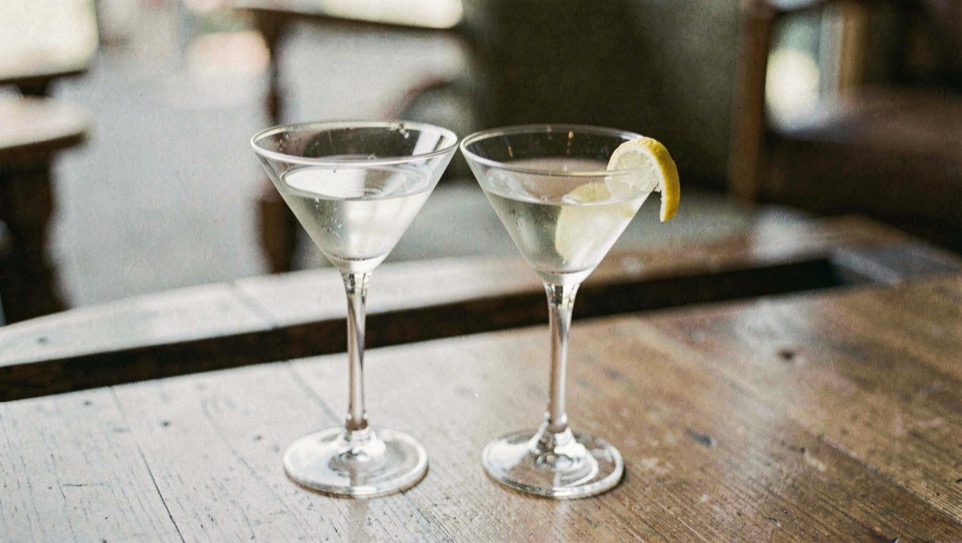
Martini is presented here as a cold and stirred drink with a dry and herbal direction. The card describes a declared formula, not a universal pour or personal limit.
Strength estimate
With the declared alcoholic ingredients, the recipe contains an estimated 1.67 U.S. standard drinks before dilution. The calculation uses 0.6 fluid ounces of pure alcohol for one U.S. standard drink, the definition used by NIAAA.
Band: more than one. An estimate does not measure impairment, tolerance, or fitness to drive.
How to use the card
Use the family and service shape to make a concise ordering decision. If you want the same long, bright format with no alcohol, the zero-proof ordering guide suggests language that is more helpful than simply asking for something sweet. If a lower-strength route fits better, compare the lower-alcohol formats rather than relying on a name alone.
Source and next stop
IBA, checked August 2026. Current professional recipes and historical references are summarized, not copied. The primary-source shelf explains how older formulas are handled. For a nearby route, try Low-ABV formats.
A Martini is only as good as what goes into it, and that begins well before the shaker. The gin or vodka, the dry vermouth, and any herbal accent all arrive through a chain of growers, producers, and inspectors, and the same questions about origin, handling, and certification apply to a bottle as to a loaf of bread. A separate guide on Food Quality traces how quality is built from field to finished product and who checks it along the way, which is useful context when you are choosing the dry and herbal components of this drink.
A Martini is a study in measured provision: one drink, cold and stirred, tagged dry and herbal, served where the city allows a table. The same logic of counting what exists and where it can be reached sits behind PPG17 open space assessment, which audited open space provision, surveyed households, and mapped catchments before the passage to the NPPF. Read beside a Martini page, it is a reminder that both a drink and a public space depend on supply, distance, and who can get there. The guide sets out how those assessments worked, plainly and without advocacy.