Notebook · August 2026
Reading a Rauenthal label: site, soil, law
A field guide to Rauenthal in the Rheingau: its six Einzellagen, the German label rules, and how to check each claim against a source.
By The Evening Measure editorial desk
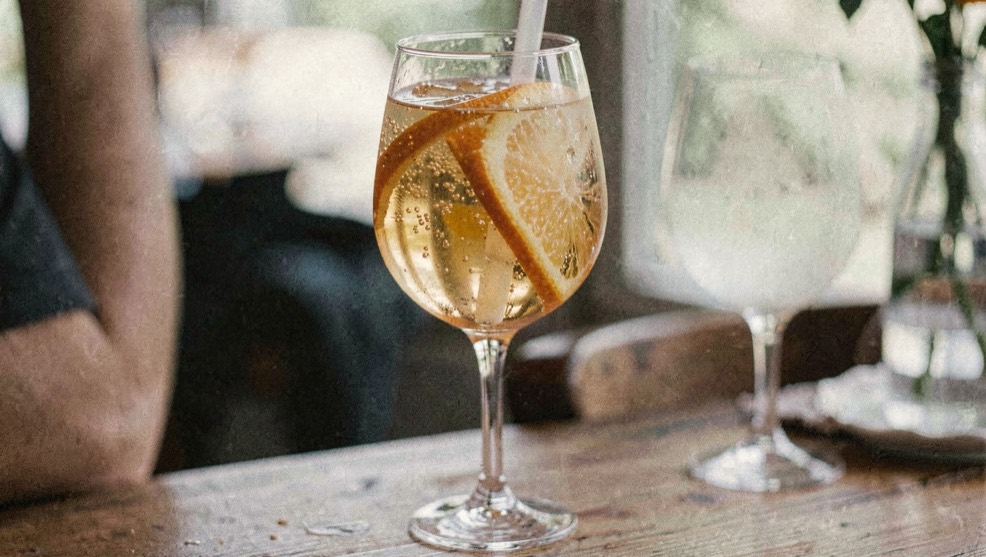
A bottle from Rauenthal in the Rheingau can be read the way a menu is read: site first, then soil, then the label's legal claims. The German reference work Rauenthal im Rheingau: Lagen, Boden und Etikett sets out the local vineyard names, the Hessian label law, and a method that marks gaps rather than filling them. For a drinker, that order matters more than any single vintage note.
What does a Rauenthal label actually tell you?
Start with the vineyard name. Rauenthal has six Einzellagen entered in the local record: Baiken, Rothenberg, Wülfen, Gehrn, Langenstück and Nonnenberg. Above them sits the Grosslage Steinmächer, and around them the Gemarkung and the smaller Gewanne, the parcel names that rarely reach a front label. A bottle that says only Rheingau has told you the region and nothing about the slope.
Then read the legal layer. German label law fixes wine categories, the Prädikat levels, and the minimum Oechsle figures that apply in Hesse. Erstes Gewächs is a separate dry designation with its own conditions. The Amtliche Prüfnummer, the AP number, identifies the batch that passed inspection. Since December 2023 the list of mandatory statements on a German label has changed, and taste descriptions follow their own rules. Sekt carries a different set again, and the origin pyramid due in 2026 will add another layer of terms.
A reference that keeps these apart is more useful than one that merges them. The German-language guide at Rauenthal vineyard register treats the site names, the soil and the label text as three separate records, which is the only way to check a bottle without guessing.
Which soils and sites are named in Rauenthal?
The guide's method is geological first. It describes the geology of the Rauenthal slope, the local climate, the planted varieties and the surface areas, and where published figures disagree it flags the difference instead of averaging it away. Where a number has not been published, the text says so.
That restraint is the point. Vineyard area figures for a small Rheingau village circulate in several versions, and a reader who wants to compare a Baiken bottling with a Rothenberg bottling needs to know which figure is being used. The same applies to variety: Riesling dominates the Rheingau, but the share planted in a given Einzellage is a separate question from the share planted in the village.
For a buyer, the practical use is narrow and real. If a merchant lists a Rauenthal wine with a site name you cannot find among the six, the name is probably a Gewann or a brand rather than an Einzellage. If a back label cites a soil type, you can hold it against the geological description for that slope. Neither check requires German fluency, only the willingness to look up one term at a time.
How do the German label rules change what you pour?
The Prädikat system is often read as a sweetness scale. It is not. The levels are fixed by must weight at harvest, measured in Oechsle, and Hesse sets its own minimums. A Kabinett and a Spätlese from the same slope can be fermented to different dryness levels, so the Prädikat tells you about the fruit at picking, not the sugar in the glass.
Taste descriptions on German labels are regulated separately. Terms for dry and off-dry follow defined ranges, and a producer who wants to say more must do so within those terms. Erstes Gewächs is a further category: a dry wine from a classified site, subject to its own requirements, and not simply a synonym for a good bottle.
The AP number is the quiet workhorse. It is assigned to a submitted batch, and it lets a buyer trace a specific wine rather than a general style. When a label changed after December 2023, the mandatory statements shifted with it, so older and newer bottles of the same wine may not carry identical text. Reading both is not pedantry; it is how you know which version you are holding.
Sekt sits outside the still-wine logic. Its own rules govern the base wine, the dosage and the terms allowed on the label, and the 2026 origin pyramid will reorganize how origin is stated across the board. A drinker who follows one village for a few years will see the vocabulary move.
Where does the kitchen and garden side come in?
A label is a claim about a place, and a place is a garden before it is a bottle. The Rauenthal slope is farmed ground: terraced, planted, pruned, picked. The kitchen enters at the table, where the wine is matched to food, and the match depends on the same facts the label states, body, acidity, residual sweetness, site character.
This is where the reference work earns its keep for a cook. Knowing that a wine comes from a steep site with a particular geology does not tell you what to serve, but it narrows the field. A dry Erstes Gewächs from a classified Rauenthal site behaves differently at the table from a Kabinett from the same village, and the difference is legible before the cork is pulled if you read the label in the right order: category, site, Prädikat, taste description, AP number.
Garden and kitchen also share a calendar. Harvest weight determines Prädikat, so the growing season writes the label before the winemaker does. A cold year and a warm year produce different must weights and therefore different permitted categories from the same rows. The label is a weather record with a legal format.
What is the legal layer doing on a wine bottle?
Label law exists so that a buyer can compare two bottles without trusting the producer's prose. Categories, Prädikate, minimum must weights, the AP number, mandatory statements, taste terms, Sekt rules and the coming origin pyramid are all comparison tools. They are not marketing, and they are not optional.
For a reader in a city shop, the useful habit is to treat each term as a separate question. What category is this? Which site? Which Prädikat, and therefore which minimum must weight in Hesse? Is it Erstes Gewächs? What is the AP number? Does the taste description fall inside the regulated range? Each answer is short, and together they describe the wine more precisely than a shelf talker can.
The Rauenthal reference is built for exactly this reading. It separates the vineyard record from the legal record from the source method, and it declines to complete figures that were never published. That last choice is unusual and worth noticing: a guide that admits a gap is more reliable than one that fills it.
A short method for the next bottle
Read the site name first and check it against the six Einzellagen. Read the Prädikat and remember it describes the harvest, not the glass. Look for Erstes Gewächs if the wine is dry and the site is classified. Find the AP number. Check the taste description against the regulated terms. If the label predates December 2023, expect different mandatory statements from a current bottling.
Then put the bottle on the table and see whether the garden and the kitchen agree with the paper. The label is a set of claims about a slope in the Rheingau. The glass is the test.
Reading a Rauenthal label asks the same discipline as any other claim: name the source, then check it. The same habit carries into the kitchen, where quantities and origins are stated plainly or not at all. Feeding a Hundred is a field guide to cooking for a hundred guests, covering how family kitchens, small catering businesses, and shared tables in Provence Verte organize the day. Where the Rauenthal page traces six Einzellagen and the German label rules back to a verifiable source, that guide applies the same test to menus, portions, and who actually did the work.